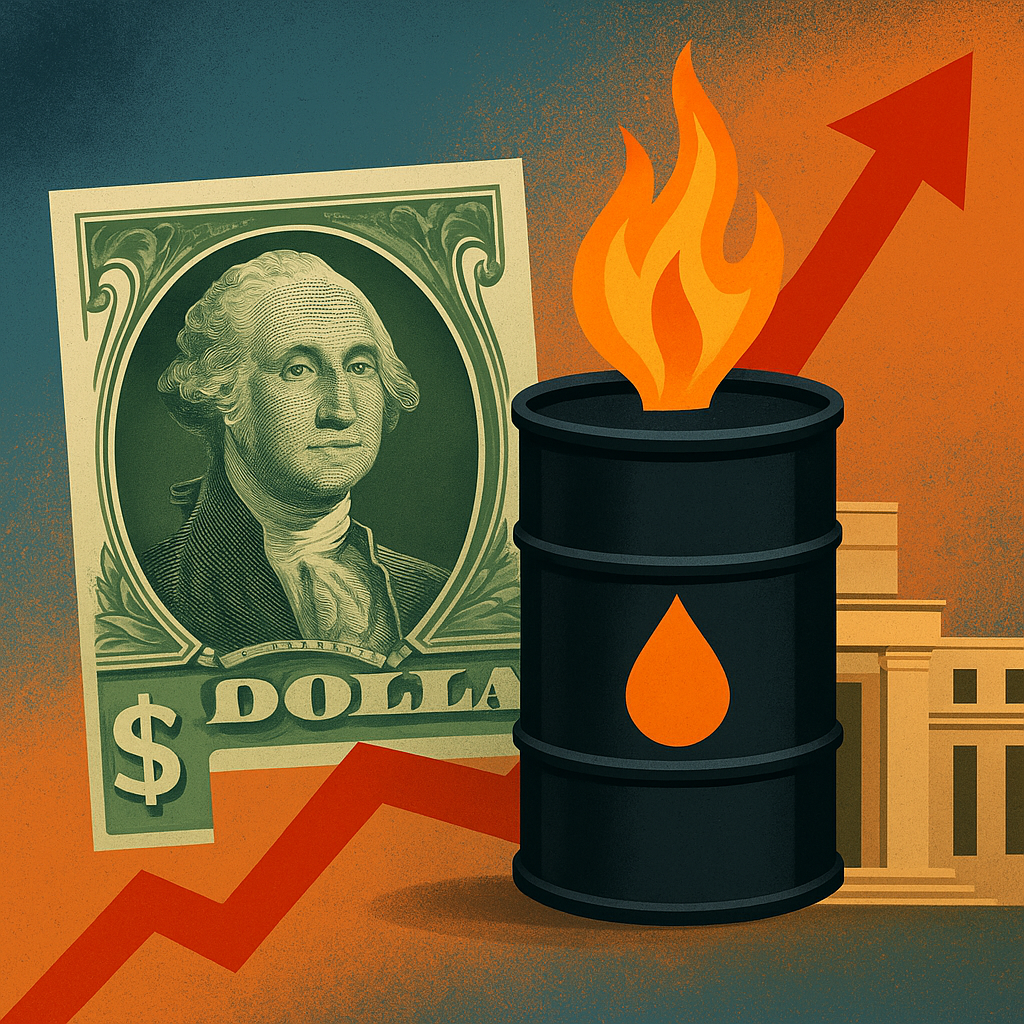
Dollar Resilience Amid Oil Spike and Fed Minutes Highlights Market-Shaping Shift in 2026 FX Landscape
The foreign exchange market entered a decisive phase in the first week of July as traders priced in a confluence of higher oil prices, renewed US-Iran tensions, and a nuanced read on Federal Reserve policy from the latest minutes. The week culminated in a broadly firmer dollar against major peers, even as commodity currencies and risk-sensitive majors showed pockets of volatility tied to energy markets and geopolitical developments. The biggest event to watch remains the potential policy path shifts at the Federal Reserve, as minutes from the June meeting underscored a door still open to a rate increase this year, a signal that has reinforced dollar demand into key data releases.
Key Developments Shaping FX: Oil, Geopolitics, and Monetary Policy
Oil prices surged in early July, driving inflation expectations higher and complicating the outlook for central banks. A sustained rally in crude supported the greenback on risk-off dips and on relative rate differential dynamics, with traders parsing whether energy-driven inflation could force the Fed to maintain a higher-for-longer stance. The energy complex, including Brent and WTI benchmarks, traded near multi-day highs as geopolitical tensions in the Middle East and broader Gulf region simmered, fueling concerns about supply disruptions and price stickiness at the pump.
In the geopolitical arena, renewed US-Iran activity kept risk sentiment oscillating. Analysts noted that even as oil provided a tailwind to USD strength, the market remained sensitive to headlines that could alter risk appetite and influence rate-path expectations. Market participants assessed how fresh developments could interact with central banks’ forward guidance and the timing of any policy tightening or easing cycles in major economies.
Turning to monetary policy, the June Federal Reserve minutes indicated a debate within the committee about the timing of higher rates. While officials did not commit to an immediate move, the balance of risk tilted toward a possible rate increase if inflation did not retreat toward the 2% target and labor market conditions remained tight. In practical terms, that message kept the USD on a firmer footing, particularly against lower-yielding peers, and supported a cautious tone around currency pairs such as EUR/USD and GBP/USD in intraday sessions.
The European narrative remained complex as the euro and pound navigated a mix of domestic indicators and the global rate backdrop. The euro faced headwinds from energy-price dynamics and speculative positioning, while the UK pound benefited from relative strength in government bond markets and domestic growth signals, though its trajectory remained sensitive to global rate expectations and UK macro data. Against this backdrop, the USD index hovered near important psychological levels, with traders watching for a potential breakout if US data undershot or surpassed expectations in the coming releases.
Regional Snapshot:JPY, AUD, and Emerging Market FX
In Asia-Pacific, the Japanese yen remained a focal point for traders awaiting BoJ signals and regional growth metrics. The yen’s sensitivity to yield differentials and policy expectations kept it in the spotlight during episodes of risk-off moves. Meanwhile, the Australian dollar and New Zealand dollar traded with heightened volatility tied to commodity price shifts and domestic monetary developments. The RBA and RBNZ policy paths continued to factor into carry trades, though overall momentum leaned cautious as traders balanced higher energy costs with resilience in global growth indicators.
Emerging market currencies also reacted to energy price trajectories and US policy expectations. While some currencies found support from improved risk appetite during certain sessions, others faced renewed pressure from oil-price-driven inflation concerns and global growth questions. Traders emphasized the importance of relative rate paths and political stability as crucial factors for currency performance in the coming weeks.
What to Watch: Data Surprises, Central Bank Narratives, and Trade Flows
Going forward, several data points and policy signals will determine the near-term FX path. The upcoming inflation prints, employment data, and wholesale and consumer price indices in the United States will be critical for calibrating the likelihood of a Fed move later in the year. In Europe, upcoming euro-area data and ECB communications will shape how markets price euro zone risk premia and potential rate differentials. The UK will also face key indicators that could influence sterling’s volatility against the dollar and the euro, particularly if domestic growth or wage data defy expectations.
Oil markets will continue to be a significant driver of FX dynamics. A sustained energy price trajectory higher than consensus could reinforce inflation expectations and support the dollar, especially if commodity-linked currencies remain more exposed to energy-price volatility. Conversely, any signs of easing energy pressures could help risk sentiment recover and allow broad-based dollar consolidation in cases of unexpected policy dovishness from major central banks.
From a tactical perspective, traders are watching for risk-reward setups in major crosses and for the persistence of tight ranges in the absence of fresh macro surprises. Positioning around USDJPY, EURUSD, and GBPUSD remains sensitive to both macro releases and central bank commentary. Market participants are also assessing currency hedges and macro overlays in cross-asset portfolios to manage exposure to energy shocks and shifts in global growth momentum.
Conclusion: The Big Narrative for FX in July 2026
The most impactful event shaping the forex market over the past several days has been the combination of a potential Fed policy shift indicated by the June meeting minutes, a jump in oil prices, and renewed geopolitical friction in the Gulf region. This triad has kept the US dollar bid in many liquidity-driven sessions while injecting selective volatility into commodity currencies and sterling. As markets approach mid-July, the key is to observe how inflation data, employment dynamics, and central bank communications align with or diverge from expectations. The forex landscape in July 2026 remains data-dependent, with the dollar poised to respond decisively to surprises on inflation and growth, while geopolitical developments and energy prices will continue to act as amplifiers or dampeners of broader trend moves. Traders should expect continued sensitivity to policy shifts, energy headlines, and cross-border trade signals as the calendar moves toward the second half of the year.