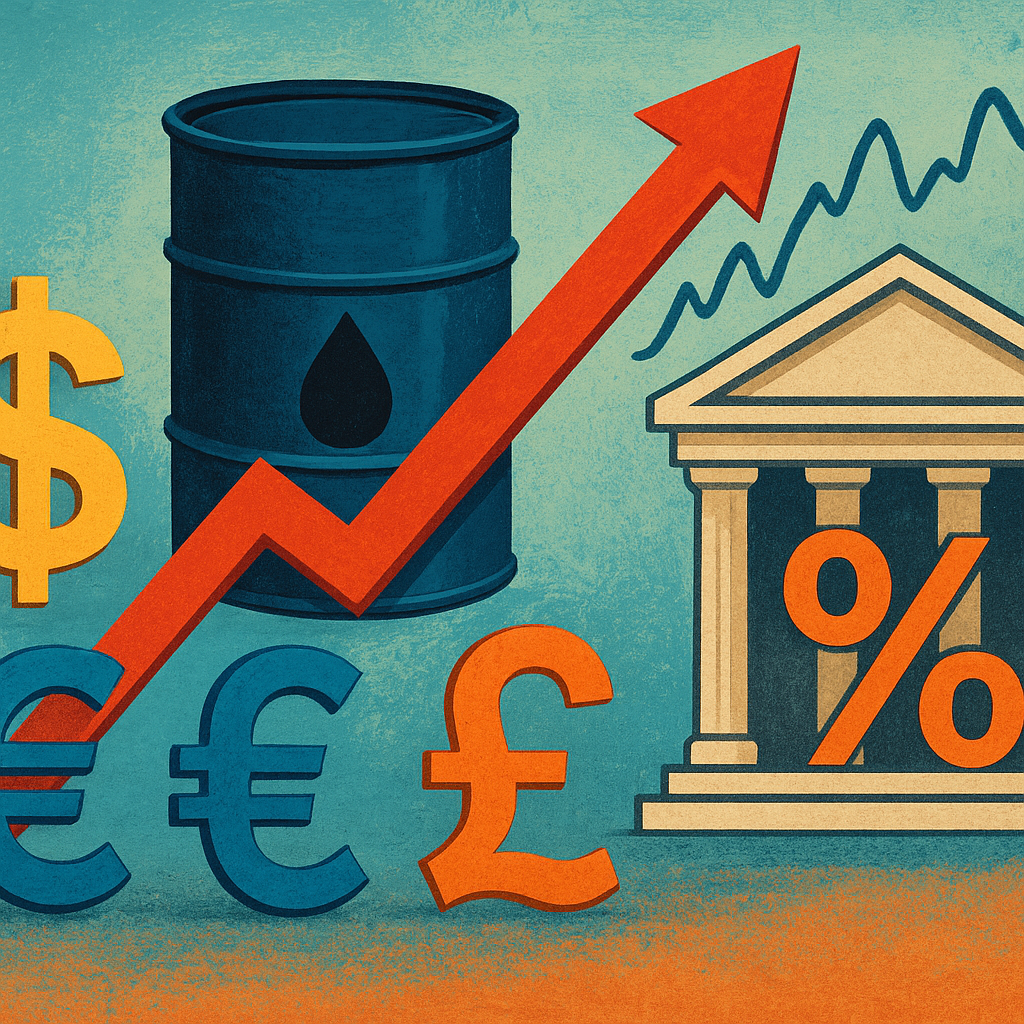
OPEC+ Supply Boost, US Labor Data, and Central Bank Signals Drive Volatility in FX Markets
The forex market entered a week of heightened volatility as a trio of market-moving developments converged: a surprise step by OPEC+ to raise crude output, a U.S. labor market update that reset expectations for Federal Reserve policy, and cross-Atlantic central-bank commentary that reinforced the dollar’s sensitivity to policy expectations. Traders have positioned for shifts in risk appetite and carry trade dynamics, with the dollar broadly acting as the anchor for many major currency pairs.
Biggest Event in Focus: OPEC+ Output Increase Signals Supply Rebound
On July 6, 2026, OPEC+ agreed to raise its collective crude-output targets by about 188,000 barrels per day starting in August, adding to previous increases in June and July. The move is designed to ease supply constraints as global demand recovers, particularly in the second half of 2026. Analysts view this as a notable development for energy markets and a potential drag on oil prices, which in turn can influence risk sentiment and funding currencies such as the U.S. dollar and commodity-linked blocs like the Australian and Canadian dollars. Market participants note that even a modest supply uptick can alter carry dynamics and inflation expectations, which are core inputs for central-bank policy bets.
FX desks emphasized that oil price trajectories often feed into broader macro narratives: softer oil can reduce inflation pressure in energy-intensive economies, potentially easing currency highs built on rate-hike expectations. Conversely, if supply delays persist or demand surprises emerge, the dollar can extend its gains as traders hedge against higher real yields. Daily market commentary suggests that majors such as EURUSD and USDJPY are particularly sensitive to oil-price-driven inflation signals and the corresponding policy outlook from the U.S. Federal Reserve and other central banks.
U.S. Labor Data and Fed Outlook: What the Markets Are Pricing In
In the days leading up to the current session, U.S. employment figures and wage data have continued to shape expectations for the next Fed move. Recaps of the week note that the jobs figure undershot or beat consensus in ways that shifted probability gauges for additional rate hikes or cuts. While some analyses highlighted a path toward slower growth and potential disinflation, others warned that wage momentum could keep core inflation elevated, prolonging a higher-for-longer interest-rate stance. The implication for FX is clear: a stronger-than-expected payrolls print can bolster the dollar by reinforcing rate-hike expectations, while softer data tends to soften the greenback and support higher-yielding peers on a relative basis.
Recent recaps from market researchers emphasize that the dollar’s performance remains closely tied to the balance of U.S. data against the global policy backdrop. For example, a sequence of U.S. data releases and central-bank speeches in early July helped steer risk assets and the dollar in tandem with the broader rate expectations, with traders looking for confirmation signals from upcoming payrolls and inflation readings. The dynamics underline the ongoing sensitivity of majors like EURUSD, USDJPY, and GBPUSD to the U.S. data flow and to the evolving stance of the Fed versus other central banks.
Central-Bank Pulse: ECB, BoE, and BoJ in the Spotlight
Across Europe and Asia, central-bank rhetoric remains a key driver of FX volatility. The euro area and the United Kingdom have faced diverging inflation trajectories and growth signals, prompting markets to recalibrate expectations for near-term rate paths. Analysts point out that even when inflation softens, the persistence of higher terminal rates could support the dollar on episodes of risk-off, while a more confident stance from European and UK policymakers might strengthen the euro or the pound against the greenback. In Japan, policy commentary and fund flows continue to influence USDJPY, with the BoJ’s communication cycle closely watched for any shifts in yield signaling that could widen or compress the yield gap versus the U.S.
FX strategists caution that the calendar remains busy: scheduled central-bank speeches, inflation prints, and energy data releases can all swing the narrative within a single trading session. Traders are advised to monitor carry-trade dynamics and cross-rate correlations as liquidity conditions thin during summer holidays, which can amplify moves on surprise headlines or unexpected policy signals.
Markets in Numbers: Recent Data Snapshots
- OPEC+ output target increase: ~188,000 barrels per day starting August 2026
- Euro area inflation (latest reported): around the mid- to upper-2% range, depending on the country and measurement
- U.S. payrolls: recent readings showing a mixed picture of job gains vs. wage momentum
- FX benchmarks: USD index fluctuating near multi-month highs on rate-path expectations; EURUSD and USDJPY tracking the policy zeitgeist
Market participants should note that the biggest-impact event of the past few days centers on the OPEC+ supply decision, which interacts with U.S. data and central-bank guidance to shape global risk sentiment and currency valuations. While energy-market headlines can be a catalyst for immediate moves, the longer-term FX direction hinges on the policy mix: how aggressively the Fed and other major central banks respond to inflation signals, and how much traders price in the trajectory of economic growth and energy costs.
What to Watch Next
Looking ahead, traders will focus on the next round of U.S. payroll data, consumer-price readings from major economies, and speeches from central-bank leaders. The key question for FX markets is whether the combination of higher-for-longer rate expectations and fresh supply signals from oil markets will keep the dollar supported against most G10 peers, or whether renewed risk appetite will favor commodity-linked or high-beta currencies. The balance of risks remains tilted toward data-driven, event-driven volatility, with the OPEC+ supply decision as a persistent backdrop to the ongoing policy narrative.